Building Digital and Media Literacy Skills for Safer Online Spaces for Children in Southern Africa
- March 31, 2026
- |
- by DRAA
- |
- No Comments
By Phakamile Madonsela |
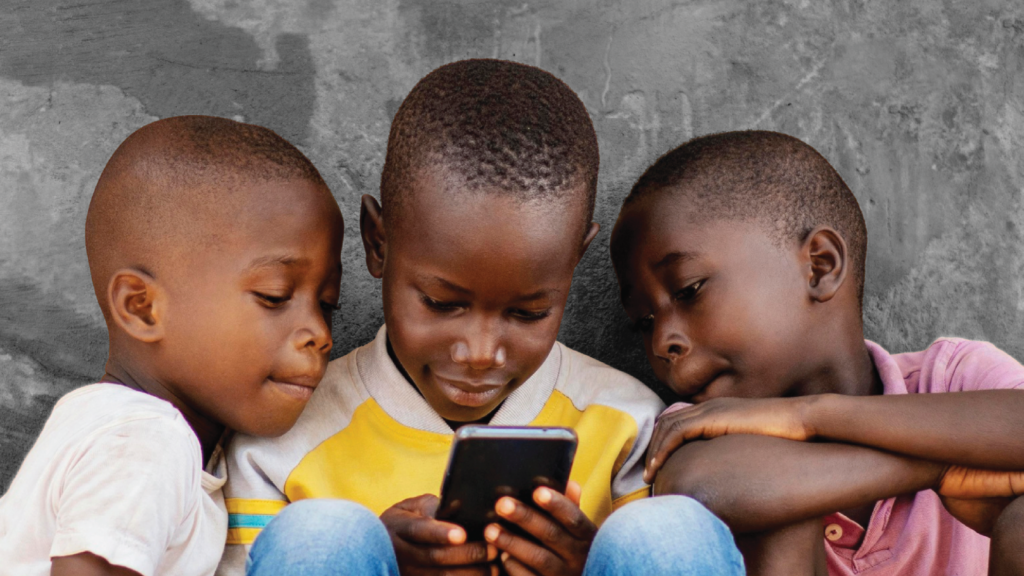
Children across Southern Africa are growing up in an increasingly connected world, yet most lack the digital literacy skills needed to navigate it safely. Rapid growth in mobile and internet access across South Africa, Lesotho, Botswana, Namibia, Zambia, and Zimbabwe has outpaced meaningful investment in digital education, leaving millions of young people exposed to cyberbullying, child sexual abuse material (CSAM), technology-facilitated gender-based violence (tfGBV), misinformation, and the risks of misused artificial intelligence. Marginalized children, particularly girls, rural learners, and children with disabilities, bear a disproportionate share of these risks.
In the current report by the Digital Rights Alliance Africa (DRAA), digital literacy education, government policies, and child online safety frameworks across six Southern African countries are analysed. The report among others identifies the common digital risks faced by the African child, the gap between legislative ambition and on-the-ground reality, and proposes actionable recommendations for dealing with the common risks and challenges.
Reiteration African Union’ s Digital Education StrategyGrounded guiding principles for Member States to promote digital education implementation in the region, the report calls on national governments and to:
- Invest in teacher digital competence at all levels of education
- Prioritise infrastructure, devices, and connectivity for vulnerable learners, especially girls, rural children, and children with disabilities.
- Foster multi-stakeholder collaboration across government, civil society, researchers, and the private sector, and
- Enact policies that make digital literacy a core and compulsory component of children’s education across the region
Read the Full Report here